
Table of Contents
- Nordson ProBlue Liberty 14 Overview
- Graco InvisiPac HM25c Overview
- The Similarities & Differences Between the Systems
- Ideal Use Cases
- FAQs
When choosing a bulk hot melt system, there are a lot of factors to take into account. You not only want the right melt rate but also need to consider other factors.
The Nordson ProBlue Liberty 14 glue machine and the Graco InvisiPac HM25c tankless hot melt system are two popular options for bulk hot melt application. While they are similar and can be used for a lot of the same applications, they also have numerous important differences. To help you find the right system for your specific needs, we are comparing the Nordson ProBlue Liberty 14 and the Graco InvisiPac HM25c, including their pro, cons, and ideal applications.
Nordson® ProBlue® Liberty™ 14 Overview
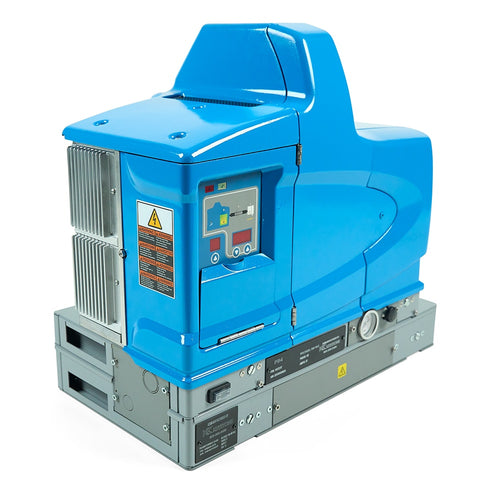
The ProBlue Liberty 14 from Nordson is a higher throughput hot melt system. Nordson calls the system an integrated tankless melter as it uses a controlled, low-volume adhesive chamber rather than a large adhesive reservoir. Compared to traditional hot melt tanks, this design can help reduce the amount of adhesive experiencing prolonged exposure to heat for cleaner operation.
The ProBlue Liberty 14 has a melt rate of around 30 pounds per hour and a temperature range of 100⁰F to 400⁰F. The system is most commonly used in mid- to high- volume packaging applications and is compatible with a wide range of bulk hot melts.
Graco InvisiPac HM25c Overview

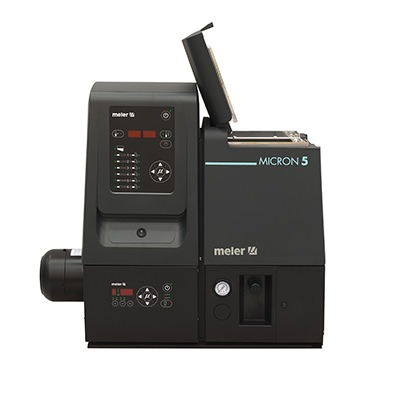
The InvisiPac HM25c from Graco is described as a melt-on-demand, tank-free system. Instead of using a reservoir tank to hold the adhesive at temperature, the system is designed to melt only the amount required for production when needed. This approach not only minimizes charring by not having the hot melt sit in a heated tank but also follows a first-in, first-out melting process.
The Graco InvisiPac HM25c has a speedy 10-minute startup time that makes it great for intermittent production runs. It is most commonly used in packaging environments, particularly case and carton sealing applications.
Similarities & Differences Between ProBlue Liberty 14 and InvisiPac HM25c Systems
When it comes to evaluating and comparing bulk systems, it helps to take a closer look at the technical specifications to see where the systems are alike as well as where they differ. Our team created the following chart to compare the Nordson ProBlue Liberty 14 hot melt glue machine and the Graco InvisiPac HM25c tankless hot melt glue system to help you determine which system best meets your needs.
| Feature | ProBlue Liberty 14 | Graco InvisiPac HM25C |
|---|---|---|
| Type of System | Non-circulating grid/hopper (15:1 SP-style piston pump) | Integrated melt-on-demand pumping system with FIFO process |
| Tank Capacity | 5-10L with controlled chamber | Tankless system with automatic feeder |
| Melt Rate | 30 lb/hr (14 kg/hr) | 25 lb/hr (11.3 kg/hr) |
| Startup Time | ~30-60 minutes | ~10 minutes |
| Temperature Control | Programmable | Touchscreen interface for precise control |
| Temperature Range | 100-400°F | 104-392°F |
| Hose Ports | Up to 9 | Up to 6 |
| Voltage | 230V, 480V | 240V, 400V, 480V |
| Weight | 110lbs. | 105lbs. |
These product specifications are just the start. You should also consider how they translate into real-world production performance.
Melt Technology
Both the Liberty 14 hot melt unit and the InvisiPac HM25c glue machine are described as tankless hot melt systems, but they are different in their design. The Graco InvisiPac HM25c glue machine is a tankless system with a melt-on-demand setup. The adhesive feeds automatically into the melter, and the system melts only what is required. This design minimizes adhesive exposure to prolonged heat. The first-in, first-out melt process also decreases the risk of adhesive charring and adhesive degradation.
On the other hand, the ProBlue Liberty 14 still technically has an adhesive reservoir, but it is significantly smaller than a traditional tank and is controlled. By limiting adhesive volume and exposure time, the design can help reduce oxidation and contamination.
Because adhesive is still held in a managed reservoir in the Liberty 14 glue machine, dwell time may be slightly higher than in a true melt-on-demand system, like the InvisiPac HM25c. If minimizing adhesive dwell time is your top priority, the InvisiPac HM25c may offer the best protection against charring.
Production Demands
Another important consideration when comparing the Nordson Liberty 14 and the Graco InvisiPac HM25c is how they will fit into your production process.
Melt rate is critical when matching a system to your production line. The Liberty 14 offers a slightly higher melt rate of 30 lb/hr than the HM25c that is around 25 lb/hr. That difference may matter on higher-speed lines or multi-gun applications, but you should always evaluate actual adhesive usage rather than choosing based solely on maximum melt rate.
Along with just the melt rate, another factor to consider is your production cadence. The InvisiPac HM25c has a much faster startup time of 10 minutes as compared to the Liberty 14’s 30 to 60 minutes. If you have shorter production runs, extended idle time between shifts, or frequent line stops, this difference can have a huge impact on your throughput.
If you are running uninterrupted, high-throughput lines, then the Nordson Liberty 14 could be a good choice. On the other hand, if you experience even a few restarts in the day, the faster startup time of the InvisiPac HM25c may outweigh the slightly slower melt rate.
Maintenance and Service
Both the Liberty 14 glue melter and the InvisiPac HM25c system aim to reduce maintenance requirements compared to traditional tank melters. Their tank-free designs can minimize charring and the maintenance needs that come with it. The InvisiPac HM25c also has the added benefit of automated pellet feed to reduce manual loading. As a result, operators do not have direct contact with the molten adhesive, which can improve workplace safety.
In ATS configurations of the Liberty 14 hot melt unit, adhesive monitoring can help you detect abnormal usage trends before they become costly problems. One potential downfall with the Nordson Liberty glue melter is service help. Some manufacturers have reported trouble getting connected with Nordson for service support. Overall, less maintenance and service can lead to long-term savings.
Lifetime Operating Costs
A huge determining factor when considering the Nordson Liberty 14 versus the InvisiPac HM25c is the cost. You should not only look at the initial cost of these systems but also consider the lifetime operating costs.
Both systems typically cost more upfront than comparable, traditional tank melters, but they are designed to reduce adhesive waste, energy usage, and maintenance, which often translates into measurable savings over time. While both Nordson and Graco offer reliable and efficient equipment, there could be some markup for brand-name recognition with Nordson.
Overall, the better value depends on how your line operates and where your current expenses are concentrated. The InvisiPac HM25C can deliver great savings in environments with frequent restarts or ongoing char issues. Its melt-on-demand design reduces adhesive dwell time and can lower cleanup labor and startup energy costs. These savings can add up quickly. The Liberty 14 may provide good long-term value in continuous production environments where higher melt rate is needed.
Ideal Use Cases
To make your decision more practical, we have broken down the ideal use cases for each hot melt system.
The ProBlue Liberty 14 can be a good choice for applications where:
- There is continuous production with next to no interruptions
- High melt rate is the top priority
- Startup lag time is not an issue
- Experienced technicians and operators are on-site
Compared to the ProBlue Liberty 14, the Graco InvisiPac HM25c can be better suited for applications where:
- There are shift changes, line stops, or shorter runs, so a faster startup time can make up for a slightly lower melt rate
- Efficient adhesive use is a top priority
- Minimizing adhesive dwell time and charring are big concerns
- Brand preference is not a primary decision factor
- Prompt service and support are important to you
Ready to Decide?
When comparing the similarities and differences between the ProBlue Liberty 14 and the Graco InvisiPac HM25c, it is easy to see that both can be a good choice, especially over traditional tank melters. Each can help reduce adhesive degradation, improve efficiency, and reduce maintenance needs, but the best system for your needs will look at the whole picture.
You can browse our full collection of bulk hot melt systems, or reach out to one of our hot melt experts. They can answer your questions as well as help you choose the best system for your needs. Just contact us.