
APAO hot melt adhesives are used in product assembly, automotive manufacturing, furniture production, wire and cable assembly, and filter manufacturing. The right formulation depends on your substrates, application, and production process. Our team outlines the different types of APAOs, how they are used, and product recommendations for various applications.
What Are APAO Hot Melt Adhesives?
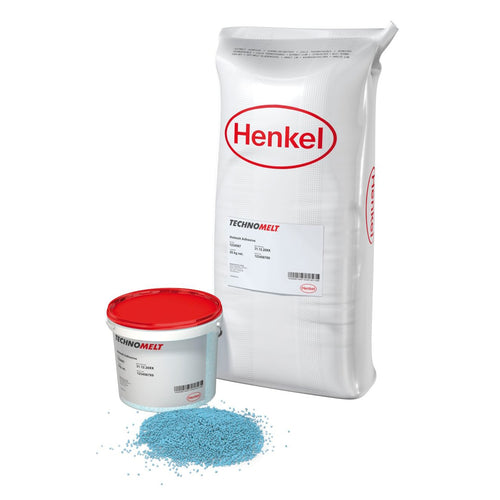
Amorphous poly-alpha-olefin (APAO) adhesives are a type of bulk hot melt glue. They offer strong bonds, broad temperature ranges, and flexible open times. They can also be dispensed as a bead or sprayed to cover large surface areas easily.
APAO hot melts can offer advantages over traditional hot melt adhesives and other adhesive chemistries, including:
- Strong bonds to a wide range of substrates
- Excellent heat resistance
- Excellent cold resistance (copolymers and formulated products)
- Long open times (the time available after applying the adhesive to bring the surfaces together and form a bond)
- Lower adhesive consumption for the same bonds
Because of their potential for lower adhesive consumption, APAO adhesives may be a cost-effective alternative to polyamide hot melts or other adhesive chemistries that cost more and are harder to dispense.

Types of APAO Hot Melt
The olefin polymers of APAO hot melts are produced from propylene, ethylene, and/or butene-1. APAO hot melts can be used as is or formulated with other hot melt ingredients to change the properties of the adhesive. Formulated hot melts are typically more expensive because they contain more ingredients and can cost more to manufacture.
Homopolymer APAO
Homopolymers are APAO adhesives in their truest form. They are made up of 100% propylene. They can replace the more expensive polyamide hot melt adhesives in many applications.
Homopolymer APAOs offer:
- Excellent heat resistance
- Hard bonds upon cooling
- Fast set times
- Low stringing on high-speed lines
Copolymer APAOs
Copolymers combine polypropylene with either ethylene or butene-1. Different combinations and ratios of these three raw materials will change the end products' open time, heat resistance, bond strengths, and hardness.
Copolymer APAOs offer:
- Resistance to high and low temperatures
- Medium to soft hardness ranges
- Medium to very long open times
- Sprayability
- Strong bonds to numerous materials
Formulated APAOs
Formulated APAOs combine APAO polymers and other traditional hot melt ingredients to achieve specific bonding characteristics and attributes, such as better cold resistance, a particular softening point, or a desired open time. They can also be formulated to bond difficult substrates or for specialty applications.
Common Applications for APAO Hot Melts
Because of their diverse chemical makeup, APAO hot melts are beneficial for many manufacturers. Below is an overview of common industries for APAO hot melt adhesives as well as product recommendations for some different applications. Use the open times and key benefits outlined in the various tables to compare products for your needs.

Product Assembly APAO Hot Melts
APAO hot melts tend to offer excellent bond strength and temperature resistance, so they are widely used in product assembly and manufacturing. When choosing an adhesive, consider how much time you have to assemble the product and what performance the application requires.
The table below lists some top product assembly APAO adhesives along with their open times, viscosities, and key properties. They can be a good place to start when investigating APAO adhesives for your application.
| Recommended APAO Hot Melts | Open Time | Viscosity | Key Benefits |
|---|---|---|---|
| Infinity Bond IM-A6040 | ~60 seconds | 2,300 cps at 375°F | Can bond to foam, wood, and compatible plastics |
| Infinity Bond IM-A6250 | ~120 seconds | 2,500 cps at 375°F | Low softening point, flexibility |
| ASU PA3296 | See Technical Datasheet | 4,950 cps at 375°F | Excellent heat resistance, good adhesion to metal |
| Infinity Bond IM-A6110 | ~20 seconds | 1,500 cps at 375°F | Good heat resistance and flexibility |
Automotive Assembly APAO Hot Melts
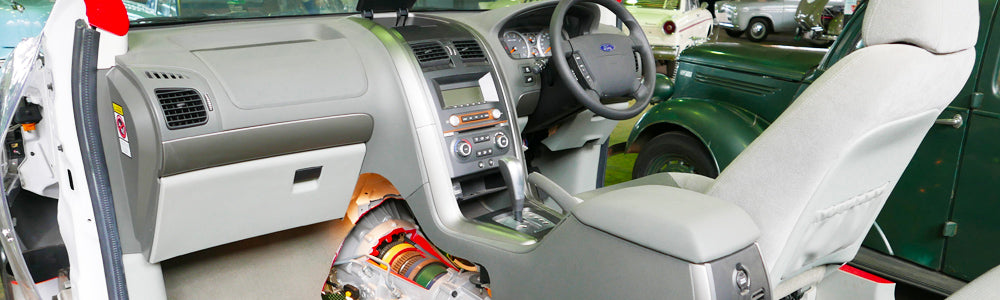
APAO hot melt adhesives are used throughout automotive and other vehicle assembly because of their moisture resistance, UV stability, and temperature resistance. Depending on the formulation, they offer flexible open times, thermal stability, and the ability to rework bonded components.
Common automotive applications for APAO hot melt adhesives include:
- Battery assembly
- Bonding foam to foam
- Load floors
- Automotive filters
- Headliner component assembly
- Headlamp bonding
- HVAC assembly
- Sound deadening
- Bilaminate fabric on door and instrument panels
Compare the properties of the APAO hot melts below against your automotive assembly requirements.
| Automotive Application | Recommended APAO | Open Time | Key Properties |
|---|---|---|---|
| Battery assembly | Infinity Bond IM-A6110 | ~20 seconds | High heat and cold resistance, low viscosity |
| Battery assembly | Infinity Bond IM-A6080 | ~60 seconds | Strong initial tack, flexibility |
| Load floor | Infinity Bond IM-A6290 | ~300 seconds | Spray or bead application, excellent temperature resistance |
| Load floor | Infinity Bond IM-A6250 | ~120 seconds | Spray or bead application, excellent temperature resistance |
| Vibration and sound deadening | Infinity Bond IM-A6270 | <5 seconds | Fast set time, excellent temperature resistance |
| Vibration and sound deadening | Infinity Bond IM-A6290 | ~300 seconds | Spray or bead application, heat and cold resistance |
If the table lists multiple adhesives for your application, compare each adhesive’s open time with the time you need to apply the adhesive and position the components during assembly. Learn more about APAO hot melts in the automotive and transportation industries.
Furniture Manufacturing APAO Hot Melts
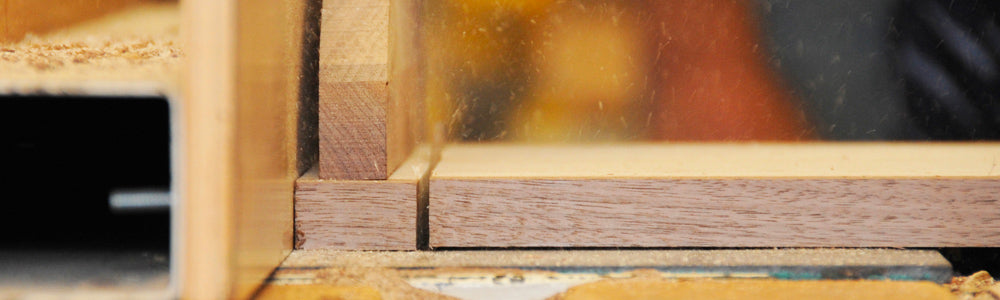
APAO hot melt adhesives support foam and fabric bonding, panel assembly, mattress production, and more. Their low cost, high initial tack, and strong cohesion can help manufacturers maintain efficient production. Depending on the specific adhesive, APAO adhesives offer a range of open times and can be sprayed or dispensed as a bead to meet different assembly needs.
We recommend exploring the following APAO hot melts for furniture manufacturing.
| Application | Recommended APAO Hot Melt | Open Time | Key Properties |
|---|---|---|---|
| Mattress assembly | Infinity Bond IM-A6290 | ~300 seconds | Bonds foam and fabric, supports spray or bead application |
| Woodworking | Infinity Bond IM-A6270 | ~5 seconds | Heat and cold resistance, compatibility with bulk dispensers |
| Foam bonding | Infinity Bond IM-A6290 | ~300 seconds | Spray or bead application, suitable for bonding large surface areas |
Learn more about APAO hot melts for furniture making.

Wire and Cable Assembly APAO Hot Melts
APAO hot melt adhesives can support wire and cable applications such as cable filling, fiber-optic bonding, and cable flooding. Their moisture resistance helps limit water penetration and corrosion, while their cushioning and lubricating properties help protect the cable core during mechanical handling. They can also help prevent telescoping and provide cohesive bonding between outer and metal jackets.
| Application | APAO Bulk Hot Melt | Open Time | Key Properties |
|---|---|---|---|
| Filling or flooding | Infinity Bond IM-A6080 | ~60 seconds | Flexibility after setting, melt viscosity of 3,500 cP at 374°F (190°C) |
| Fiber-optic bonding | Infinity Bond IM-A6290 | ~300 seconds | Low melt viscosity, good adhesion to plastics and metal, and heat and cold resistance |
Filter Assembly APAO Hot Melts
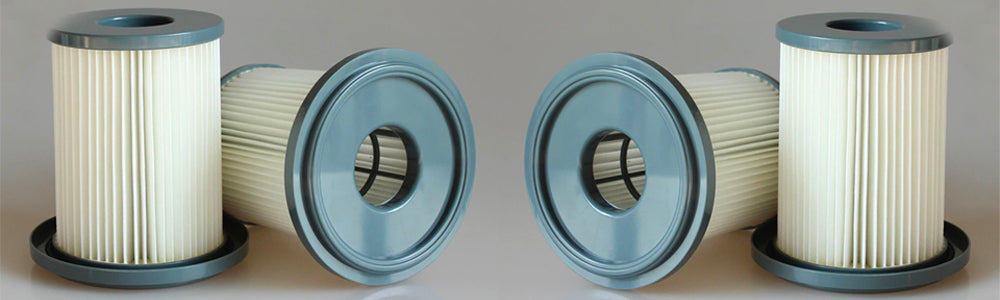
APAO hot melt adhesives support a wide range of filter manufacturing applications, including heating, ventilation and air conditioning (HVAC) filters, transportation cabin filters, and water and fluid filters. These adhesives offer a range of open times, and manufacturers can apply them by bead, spray, or roll coating to accommodate different assembly requirements. Some products also meet UL 94 V-2 requirements for flame resistance.
For a product recommendation, contact our team and tell us which filter components you’re bonding, what materials they’re made of, how you dispense the adhesive, and how much time you need to position the parts. Service temperatures, exposure to water or other fluids, and any flame-resistance requirements can also help us find the right adhesive for you.
How to Choose the Right APAO Hot Melt Adhesive
The right APAO adhesive depends on your materials, application, operating conditions, and assembly process. The steps below can help you narrow down your options before trialing a product.
-
Identify your substrates. Evaluate the materials you are bonding together, including any coatings or surface treatments. You need a formulation that is compatible with your specific materials.
-
Define your end-use requirements. Determine the temperature range, chemical exposure, movement requirements, and any other environmental conditions the adhesive must withstand. Review the product datasheet to confirm the adhesive is compatible with your performance requirements.
-
Determine your production process requirements. Take note of the dispensing method, time needed to position the parts, required handling time, and plant conditions. Use these requirements to compare adhesives.
-
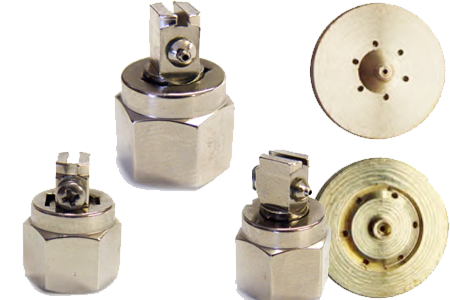
Review your dispensing equipment needs. Confirm that the adhesive is compatible with your dispensing equipment, including the dispensing process, service temperature, and viscosity. If not, you may need to invest in new equipment or find a different adhesive.
-
Test under real-world conditions. Trial the adhesive on your actual substrates using your intended equipment, line speed, and application settings. Evaluate its performance under expected service conditions before approving the adhesive for full production.
How to Dispense APAO Hot Melt Adhesives
APAO hot melt adhesives can often be dispensed using the same equipment as other hot melts.
-
Hot melt glue guns— Guns work well for lower volume applications or repairs. The adhesive can be dispensed or extruded depending on the type of gun.
-
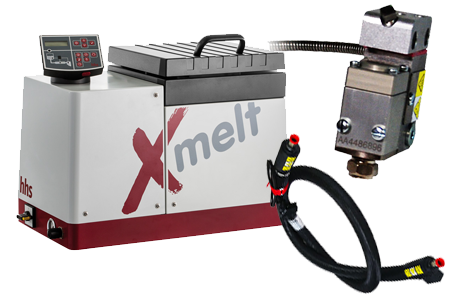
Bulk hot melt dispensing equipment— This equipment is made for higher volume applications and can include hot melt glue tanks and hot melt pail and drum unloaders. The adhesive can be dispensed or extruded based on the setup of the equipment.
-
Hot melt roll coaters— Roll coating systems can evenly apply adhesive to large surface areas and various substrates.
Before switching to APAO, review the product datasheet and confirm equipment compatibility with your supplier. Adjust dispensing settings as needed to accommodate the adhesive’s recommended application temperature and viscosity.
More Questions on APAO Hot Melt Adhesives?
You can explore our APAO hot melt adhesive collection to compare options for your assembly process and get adhesives to test. Need help narrowing down your options? You can also speak with one of our hot melt experts and get a free product recommendation based on your substrates, performance requirements, and dispensing equipment.