
Table of Contents
- What Is Edgebanding?
- Types of Adhesives for Edgebanding
- How to Choose
- Application
- Common Problems & Troubleshooting
- FAQs
Whether you manufacture cabinets, office furniture, shelving, or other wood products, durability and appearance often matter. Edgebanding can help with both, but achieving a high-quality result requires more than selecting the right edgebanding material. The adhesive used to bond the edgebanding to the substrate plays an equally important role in the finished product's performance and appearance.
Today, manufacturers can choose from multiple adhesives for edgebanding with different strengths, limitations, and processing requirements. To help you decide, our team walks you through the most common edgebanding adhesives, how they compare, and how to choose the best solution for your application.
What Is Edgebanding?
Edgebanding refers to both the process of covering exposed edges of materials like plywood, particleboard, or composites, as well as the strip of material used to cover the edges. The edgebanding strips can be made from numerous materials, including wood veneer, PVC, ABS, solid wood, or polypropylene, depending on the application. Each edgebanding material offers different levels of flexibility, impact resistance, heat resistance, and finish quality.
Edgebanding is commonly used in furniture and cabinetry to improve the durability and appearance of the finished product. Edgebanding can protect the panel from moisture, dirt, and daily wear and tear. It can also create an aesthetically pleasing finish for a higher-quality looking product.
Types of Adhesives for Edgebanding
There are several hot melt adhesives for edgebanding. Each offers unique advantages and limitations depending on the application and performance requirements.
Ethylene Vinyl Acetate (EVA)
EVA hot melt adhesives are often considered the standard for hot melt edgebanding adhesives. They offer fast set speeds and reliable bonding to numerous materials at an economic price. There are also a wide range of EVA formulations available to meet different performance requirements.
EVAs can have lower heat resistance compared to some other edgebanding adhesives like PUR and have only moderate moisture resistance. Consequently, they may not be suited for every application.
Common Applications:
- Residential cabinetry
- Office furniture
- Retail fixtures
- Shelving
- General furniture manufacturing
- Interior applications
Polyurethane Reactive (PUR) Hot Melts
Polyurethane hot melt adhesives cool like traditional hot melts but then react with moisture in the air or on the substrate to create a thermoset bond that cannot be remelted. They provide greater strength, heat resistance, moisture resistance, and chemical resistance than EVA adhesives. PUR adhesives for edgebanding are also compatible with some difficult-to-bond substrates.
Because of their enhanced performance characteristics, PUR edgebanding adhesives are often more expensive and also require PUR-compatible equipment and special cleaning procedures.
Common Applications:
- Kitchen cabinets
- Bathroom cabinetry
- Commercial furniture
- Healthcare furniture
- Hospitality furniture
- High-end architectural millwork
- Applications exposed to heat or humidity
Polyolefin (PO) Hot Melt
Polyolefin hot melt adhesives tend to offer a balance between the cost savings of EVAs and the performance benefits of PUR edgebanding adhesives. They generally offer better heat resistance and cleaner machining than standard EVA adhesives but are easier to process than PUR systems. PO hot melts may also help reduce stringing and create consistent glue lines.
Common Applications:
- Commercial furniture
- Office furniture
- Store fixtures
- Decorative panels
- Medium- to high-volume production
Polypropylene-Based Hot Melts
Polypropylene-based hot melt adhesives are less popular and are used in certain specialty furniture and panel manufacturing applications. They are valued for their clean processing characteristics and improved heat resistance compared to some traditional EVA formulations. They tend to be a higher cost than EVAs and can be harder to find.
Common Applications:
- Premium furniture
- Specialty panels
- Decorative architectural products
- High-quality laminated components
How to Choose an Edgebanding Adhesive
To make an informed decision and find an adhesive that is most compatible with your needs, you should consider multiple factors during the selection process. The right edgebanding adhesive will depend on the application and its performance requirements. We typically recommend taking the following considerations into account:
- Substrates and Edgebanding Material- Different adhesives are better suited for different substrates and materials, so you need to determine what specifically you are bonding.
- Finished Product's Environment- Exposure to moisture, heat, chemicals, and the outdoors will all impact which edgebanding adhesive you should use.
- Production Speed- High-volume manufacturing lines can benefit from faster-setting adhesives.
- Equipment- Not every adhesive chemistry is compatible with every machine. You need to consider the type of equipment you need as well as the volume.
- Total Cost- While a less expensive edge banding hot melt by volume may seem budget-friendly, it is important to consider equipment costs, maintenance costs, and the potential costs of bond failures or rework if the adhesive is not the right fit for your application.
Application of Edgebanding Adhesives
Successful bonding depends on more than just choosing the right edgebanding adhesive. Proper application of the adhesive is required to get a durable bond.
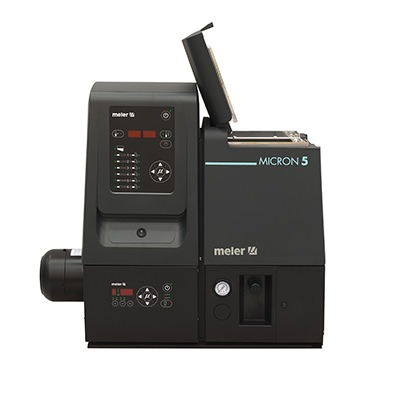
Commercial edgebanding typically relies on automated machinery designed to apply adhesives with precision while maintaining consistent production speeds. Depending on the production process, hot melt tanks and rollers are often used. PUR edgebanding adhesives often require special PUR-compatible equipment.
Typically, the process for the application of edgebanding hot melt adhesives involves:
- Heating the adhesive to the manufacturer's recommended operating temperature.
- Applying a consistent adhesive coating across the substrate edge.
- Positioning the edgebanding material accurately.
- Applying sufficient roller pressure to ensure full adhesive wet out.
- Allowing the adhesive to cool or cure before machining and handling.
- Trimming, scraping, and buffing the finished edge.
Consistent process control, including adhesive temperature, application rate, pressure, and feed speed, contributes to the quality of the bond.
Common Edgebanding Problems and Troubleshooting
There are a lot of variables in the edgebanding process. Consequently, even minor inconsistencies can negatively impact the quality and appearance of the bond. Fortunately, a lot of common issues can be prevented or avoided. Some common edgebanding adhesive problems and their root causes are outlined below.
Poor Adhesion
Poor adhesion between the substrate and the edgebanding material can be the result of factors such as low adhesive temperature, contaminated substrates, or insufficient pressure. To troubleshoot poor adhesion in edgebanding, you may need to increase the adhesive temperature, clean your materials better, or adjust the pressure rollers.
Uneven Adhesive Application
Even adhesive application is imperative for good bonding. If the adhesive application is inconsistent, it could be because of dirty applicators, worn rollers, or incorrect temperatures. You should inspect and clean your equipment as well as verify the operating temperature.
Glue Line Visibility
When appearance matters, the last thing you want is a visible glue line. Make sure the color of the adhesive you use matches the substrate. You may also be applying too much adhesive or applying the adhesive inconsistently.
Adhesive Stringing
Adhesive stringing occurs when thin strands of hot melt fail to separate cleanly from the applicator and are left behind during the application process. This issue can result from numerous factors, such as incorrect application temperature, improper equipment settings, or using an adhesive that is not well-suited for the application. Fortunately, there are multiple ways to correct the problem. Learn more about how to troubleshoot hot melt glue stringing.
Delamination
Delamination in edgebanding occurs when the edgebanding separates from the substrate. It can happen immediately after application or over time and may be caused by insufficient roller pressure, improper adhesive temperature, inadequate curing, surface contamination, or using the wrong adhesive. To prevent delamination, verify that your process settings are correct, the substrate is clean and dry, and the adhesive is compatible with your substrates and application conditions.
Edge Lifting
Portions of the edgebanding can begin to pull away from the panel edge because of insufficient adhesive coverage, poor panel preparation, contaminated surfaces, or inadequate application pressure. To prevent edge lifting, ensure the adhesive is applied evenly, make sure the substrates are clean, and verify that the application pressure and process settings are appropriate for the materials being used.
Need a Recommendation?
The best edgebanding adhesive depends on your specific application, as different adhesives are better suited for different materials, performance requirements, and operating conditions.
If you are unsure which adhesive best fits your operation, you can explore our selection of hot melt glues for edgebanding. Our team can also help you evaluate your manufacturing process and recommend the right edgebanding solution for your needs. Contact us to get started.