
Table of Contents
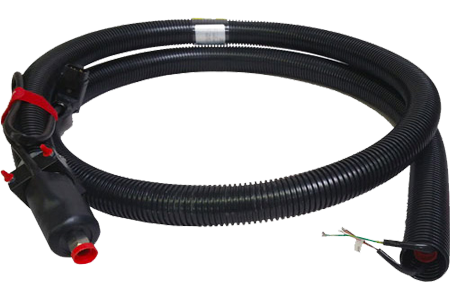
Replacing hot melt equipment is an unavoidable part of system maintenance. Although the associated downtime and replacement costs can be frustrating, replacing a hot melt hose or other necessary component can improve adhesive flow and overall system performance. Timely maintenance may even prevent unexpected downtime and save you money in the long run.
Our team covers common signs a hot melt hose needs replacing, as well as best practices to extend the service life of your hot melt hoses and save yourself the trouble of premature replacements.
The Importance of Working Hoses for Your Hot Melt System
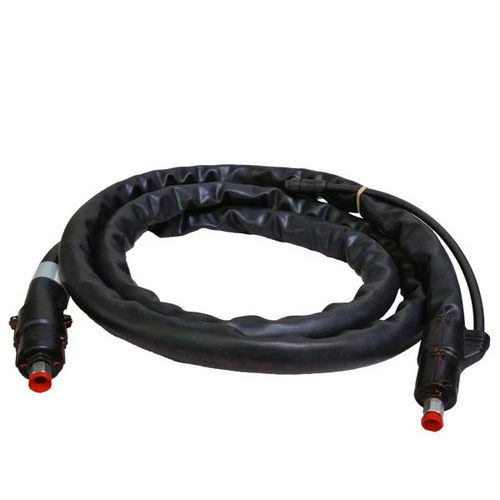
A properly functioning hot melt hose is important for maintaining a reliable system. Worn, damaged, or aging hot melt glue hoses can reduce productivity, cause inconsistent adhesive application, and increase unplanned downtime.
Over time, degraded adhesive can accumulate inside the hose and form adhesive char. This char may restrict adhesive flow or break loose and repeatedly clog modules, applicators, and nozzles, which can cause inconsistent bead patterns, slow production, and increase equipment downtime. Char may also contaminate the adhesive and impact the integrity of the finished product. In packaging applications, for instance, manufacturers may notice visible char on boxes or packaging pop-opens during handling and transportation.
Damaged hoses can also be a safety hazard. Cracks, exposed components, leaking fittings, or damaged insulation may expose operators to hot adhesive or electrical components. Replacing worn or damaged hoses promptly can help protect operators.
Signs Your Hot Melt Hose Needs Replacing
Hot melt hoses wear down over time, and continuing to use a damaged or deteriorating hose can lead to inconsistent dispensing, adhesive degradation, equipment downtime, and safety risks. Inspect your hot melt hose regularly and consider replacing it if you notice any of the following signs:
- Visible external damage: Cuts, cracks, abrasions, exposed components, or other damage to the hose jacket may indicate that the hose is no longer safe or reliable.
- Leaking fittings: Adhesive leaking from the hose fittings may signal worn components, damaged threads, or a failing connection.
- Frequent nozzle clogs: If new hot melt nozzles begin clogging in less than three months, char or degraded adhesive inside the hose may be contaminating the system.
- Water exposure: Replace a non-water-wash hose if it has gotten wet. Moisture can damage its insulation and electrical components and create both performance and safety concerns.
- Wear from automated movement: Hoses used in applications with frequent automated movement, bending, or flexing may wear more quickly and require more frequent replacement.
How Often Should I Replace My Hot Melt Hose?
Besides changing your hot melt hose when you notice any of the warning signs outlined earlier, it is generally a good rule of thumb to replace your hot melt adhesive hose every three years. While this timeline depends on factors such as the type of adhesive you are running, dispensing volume, operating temperature, and hose movement, hot melt hoses may become less efficient after three years. Installing a new hose may help improve dispensing consistency and overall system performance.
Best Practices for Hot Melt Hose Care
A neglected or mishandled hose can deteriorate faster and requires replacement sooner. One way to extend the service life of your hot melt adhesive hoses is to take proper care of them. These practices can also help you maintain consistent adhesive flow and reduce unplanned downtime. Follow the best practices outlined below.
- Perform regular maintenance: While performing your regular hot melt system maintenance, you should inspect the hose, fittings, and connections for adhesive buildup, leaks, abrasion, or other damage. Only clean the equipment and hoses according to the equipment manufacturers’ recommendations.
- Avoid excessive bending or flexing: Do not bend, twist, or flex the hose beyond its recommended bend radius or in sections not designed for movement. Excessive movement can damage internal components or heating elements.
- Use the correct operating temperature: Avoid running the hose above its rated temperature or unnecessarily overheating the adhesive, as excessive heat can accelerate adhesive degradation and hose wear.
- Store the hose properly: Keep unused hot melt hoses clean, dry, and supported. Do not leave them on the floor or on open workspaces, where they may be stepped on, crushed, contaminated, or exposed to moisture. You should also use appropriate hangers or supports to prevent kinking, sagging, and strain near the fittings.
Following these best practices for adhesive hose care can help protect them from premature wear and support reliable system performance. Even with proper care, hoses will eventually need replacing, so it is important to inspect them regularly.
Get More Support
At Hotmelt.com, we have a wide selection of hot melt adhesive hoses available for purchase to match different melters and configurations, including standard, hi-flex, water-wash, and more. Not sure what you need or looking for more support? We also have the expertise to provide guidance on hot melt hose selection as well as equipment maintenance program options. Contact our team for help.