
Table of Contents
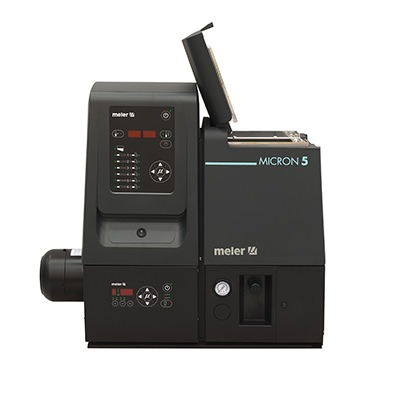
Tankless hot melt systems have become more widely available as top brands like Graco, Nordson, and Meler have started manufacturing them. While the technology does seem groundbreaking, can it be trusted? Do tankless hot melt units work as reliably as traditional adhesive tank melters? Will you save money?
With over fifty years of experience in the hot melt industry, we have worked with numerous brands, models, and configurations of hot melt systems. We've seen the evolution of the dispensing technology over the last several decades, and our sharing our honest thoughts on the hot debate: traditional hot melt tanks versus tankless hot melt systems.
Traditional Hot Melt Tanks
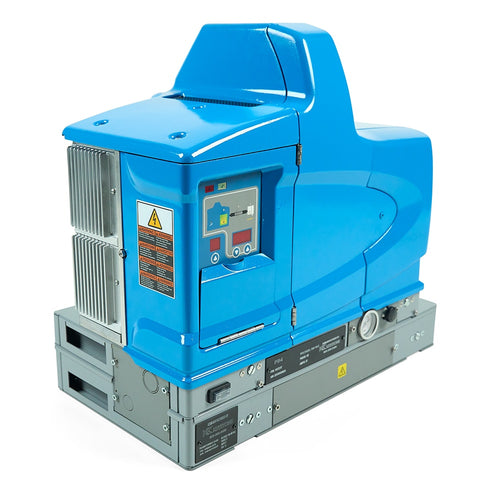
A traditional tank-based hot melt system stores and melts adhesive inside a heated reservoir or "tank." During operation, an operator will add solid adhesive to the tank in the form of pellets, pillows, chubs, or another shape. The tank melts the adhesive and once molten, it is pumped through a heated hose to one or more applicators for dispensing.
In traditional hot melt tanks, the reservoir maintains a supply of molten adhesive that is ready for dispensing. Tank capacity varies widely by model. Common industrial melters range anywhere from 4 to 50 liters, although smaller and larger systems are available. This reservoir can help keep production running during brief delays or interruptions. Along with tank size, pump capacity, melt rate, and the number of hose connections also vary by system.
Pros
Traditional hot melt adhesive tanks are tried-and-true pieces of equipment that make them a practical choice for many operations. They offer several benefits, including:
- A buffer of molten adhesive for consistent production if adhesive feeding is interrupted
- Multiple tank sizes, pump configurations, and hose capacities
- Predictable operation and familiar maintenance requirements
- Widely available equipment, replacement parts, and trained service technicians
Cons
Although traditional hot melt tanks are proven and reliable, they may not be suited for every production environment. Understanding these limitations can help you determine whether the equipment aligns with your needs. Some potential drawbacks of hot melt tanks include:
- Generally long warm-up times, especially for larger volumes of adhesive
- Higher risk of adhesive charring
- Risk of contamination during refilling
- Manual refilling can increase safety risks for operators and require considerable time
- Operators need to maintain an appropriate adhesive level
- Tank cleaning and routine maintenance lead to downtime
Tankless Hot Melt Systems
In 2013, Graco, an industry leader, officially launched its InvisiPac tank-free hot melt system, an early commercial example of melt-on-demand technology for packaging applications. The technology initially received more than a tankful of praise (including winning the 2013 Gold Visionary Award from UBM Canon) as well as its fair share of criticism. Now more than a decade later, other brands have followed suit and developed their own "tankless" and "tank-free" hot melt systems. While manufacturers often use these terms interchangeably and they follow the same general idea, different manufacturers may define the terms slightly differently.
Tankless and tank-free hot melt systems are systems that eliminate the larger, conventional heater reservoir found in traditional hot melt tanks. Instead, the equipment stores solid adhesive in a separate hopper or supply container and automatically feeds and melts it in smaller quantities as production requires. As with traditional hot melt systems, the system then pumps the molten adhesive through heated hoses to the applicators for dispensing.
Because tankless hot melters automatically replenish the system, operators do not need to manually refill a large heated tank. Heating less adhesive at one time can also limit prolonged heat exposure of the adhesive and help reduce degradation and char.
Pros
For the right production line, switching to a tankless hot melt system can offer meaningful operational advantages. Some of the key benefits of tankless hot melters include:
- Less manual refilling and operator involvement
- Faster warm-up times than traditional hot melt tanks
- Reduced risk of thermal degradation and charring
- Reduce risk of contamination through enclosed adhesive transfer
- Improved operator safety
- Available monitoring and reporting features
Altogether, the reduced refill labor, charring, manual refill time, and maintenance needs may lead to long-term savings for some manufacturers.
Cons
Tank-free hot melt systems are considered game changers in many ways, but they are not the best fit for every packaging operation. Some potential drawbacks of tankless hot melt equipment include:
- Generally a higher initial purchase price than a tank-based hot melt system
- Possible feed interruptions
- Melt-rate limitations can affect performance if the system is not properly matched to the adhesive demand
- Adhesives must be compatible with the system
Hot Melt Tanks Vs. Tank-Free Hot Melt Systems
When comparing hot melt glue tanks and tankless hot melt equipment, it is important to weigh the pros and cons of each, as well as how they impact your real-world application. Our team outlines some of the key differences between tank-based hot melt systems and tank-free hot melt systems.
| Specifications | Traditional Hot Melt Tanks | Tank-Free Hot Melt Systems |
|---|---|---|
| Warm-Up Time | Generally longer | Generally shorter |
| Molten Adhesive Capacity | Larger reserve | Smaller reserve |
| Melt Rate | Supported by stored molten adhesive | Must match real-time demand |
| Refill Method | Usually requires an operator to refill the system manually | Automatic |
| Adhesive Compatibility | Can accommodate a wide range of adhesive shapes, including pellets and pillows | Usually requires compatible, free-flowing pellets |
| Production Buffer | Longer | Shorter |
| Adhesive Heat Exposure | Higher | Lower |
| Char Potential | Higher risk of charring | Lower potential for char |
| Maintenance & Cleaning | May require more tank cleaning and char removal | May require less cleaning |
| Adhesive Changeovers | More material to purge | Can reduce molten adhesive waste |
| Costs | Generally has a lower initial equipment cost but may have more refill labor, energy use, and maintenance costs | Generally requires a higher initial investment but may lead to long-term savings |
Of course, specifications and performance can vary significantly by manufacturer and model. A larger tank system may outperform a smaller tank-free unit in one application, while a properly sized tank-free system may offer substantial efficiency gains in another.
There are two different schools of thought on hot melt system designs, but it is important to block out the noise and determine which one is actually right for your specific needs.
Traditional hot melt tanks remain a reliable choice for a wide range of packaging, product assembly, and converting applications. The reservoir provides a buffer of molten adhesive that can temporarily keep production moving if refilling is delayed. This capability makes traditional tanks a practical option for manufacturers that need a substantial adhesive reserve. Traditional tank melters tend to accommodate a broader range of adhesive forms than tankless systems, so they may be necessary when the adhesive is not compatible with automatic feeding systems.
Compared to hot melt tanks, tank-free hot melt systems are well suited to automated lines that prioritize a lower risk of adhesive degradation, less manual refilling, and faster warm-up times. Because these systems melt smaller amounts of adhesive on demand, the adhesive spends less time at operating temperature, and the risk of charring decreases. Adhesive char can clog filters, hoses, modules, and nozzles while causing restricted flow, inconsistent dispensing, premature component wear, increased maintenance, and additional downtime.
Some supporters in favor of traditional hot melt tanks have argued in the past that tank-free systems provide limited value because a faster warm-up time has little impact on continuously operating lines. Although that may be true for some facilities, faster start-up times can reduce restart delays and operating costs on lines that experience frequent shutdowns or outages.
Other naysayers have argued that automatic feed systems can interrupt production when they fail, but these systems can also reduce operator involvement and improve operator safety. For systems that require frequent manual refilling, this difference can be significant.
Which System Is Best? Our Honest Thoughts
Neither design is universally better than the other. Traditional hot melt tank equipment may be better suited to manufacturers that want a larger molten adhesive reserve, broad adhesive compatibility, and lower initial equipment costs. Tank-free hot melt equipment may be better for manufacturers that want automated feeding, shorter start-up times, less charring, less operator involvement, and potential long-term savings.
When choosing between hot melt tanks and tank-free hot melt systems, we recommend looking beyond just the design type. You need to ensure that you are choosing a system that is the best fit for your specific needs. Consider a melter’s adhesive compatibility, melt rate, throughput, hose capacity, startup time, electrical requirements, temperature range, maintenance needs, and total cost in use.
Find the Right System
Whether you are ready to switch to a tank-free model or want to stay with a traditional hot melt tank, you need a system that is a good fit for both your current and future production goals.
We carry a wide selection of hot melt systems, including multiple brands, models, and configurations you can explore. If you are not sure whether you need a hot melt tank or tank-free hot melt system, our experts can also evaluate your production needs and provide a personalized equipment recommendation. Contact us to get started.
Hotmelt.com is not affiliated with the Nordson® Corporation. All OEM part numbers are for reference only. Nordson® is a registered trademark of the Nordson® Corporation.