
Table of Contents
- What Is a Hot Melt Module?
- How It Works
- Types of Hot Melt Modules
- Common Problems & Troubleshooting
- How to Choose the Right Hot Melt Module
- Maintenance
- FAQs
While hot melt modules may just be a small component, they can have a big impact on the whole dispensing system. They can drastically impact efficiency and consistency. If you are experiencing issues with dripping, stringing, or inconsistent dispensing patterns, the hot melt module may be to blame.
In this guide, we walk you through how hot melt modules work, the different types of modules, common problems, and how to choose the right hot melt module for your application.
What Is a Hot Melt Module?

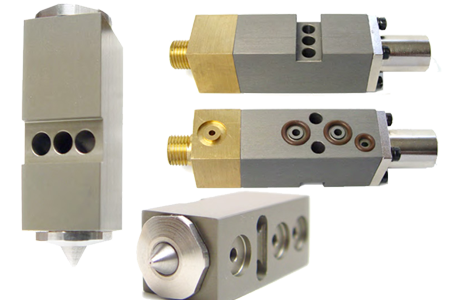
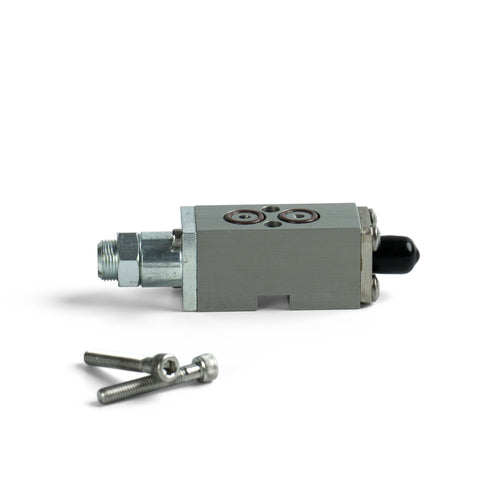
A hot melt module is the component mounted to an applicator that controls the flow of the adhesive, including how cleanly and consistently the adhesive is dispensed. These gun modules open and close to start and stop adhesive output. In a lot of designs, a piston in the module moves a needle off a seat to allow adhesive flow. When the signal stops, the needle returns to the seat and shuts off the adhesive path. Other designs incorporate integrated needle-and-seat assemblies or electrically actuated mechanisms.
While sometimes confused, a hot melt glue module is not the same as a hot melt glue nozzle. The nozzle is responsible for shaping the adhesive pattern, while the module controls when adhesive flows. Adhesive can be applied in beads, dots, or spray patterns, depending primarily on the nozzle type and applicator design.
How a Hot Melt Module Works

When you have a better understanding of how a module works in a bulk hot melt system, you may have an easier time troubleshooting issues.
While the exact mechanics of how a hot melt module works can vary depending on the specific design, many modules follow the cyclical steps below:
- A signal from the control system activates the module.
- Compressed air or an electrical actuator moves the internal piston.
- The piston lifts the needle off its seat.
- Adhesive flows through the nozzle tip onto the substrate.
- The signal stops, and the needle returns to the seat.
- Adhesive flow shuts off cleanly.
These small mechanical movements have a direct impact on production quality when they are not working exactly as they should. If the needle does not fully seat, you may see dripping or stringing. If actuation lags, bead length and placement can shift. We review more of these hot melt issues and how to fix them below.
Types of Hot Melt Modules
There are a wide number of different module designs to suit different line speeds, adhesive types, and preferences. We help customers evaluate these options based on their application requirements.
Below are some of the more popular types of hot melt modules.
Air open, spring close
This hot glue module design uses compressed air to open and a spring to close. This design is simple and widely used with packaging adhesive applications.
Air open, air close
Using compressed air for both opening and closing of the module, this setup can provide stronger shutoff under certain conditions.
Electrically actuated modules
Rather than compressed air, this adhesive module design uses a solenoid or motor and eliminates air lines. This design may offer faster response for some applications.
Reduced cavity modules
Reduced cavity modules minimize the amount of adhesive inside the module and nozzle assembly to improve cut-off performance, reduce stringing, and maintain more precise adhesive placement. These are often chosen when char reduction is a priority.
Common Module Problems and Troubleshooting
If your line is experiencing problems like inconsistent dispensing or unwanted glue residue, it may be the cause of an issue with your hot melt glue module. Your module could be set up incorrectly, contaminated with debris, or worn down and ready for replacement.
Since most module-related problems show up in the adhesive pattern first, operators notice quality changes before they see mechanical wear on the module. Our team reviews some signs of hot melt module issues, their typical causes, and some simple steps to troubleshoot module problems.
Leaking at the nozzle tip
Cause: Debris, such as charred adhesive or dust, is preventing the needle from seating properly and sealing correctly
Solution: Start by inspecting and cleaning the nozzle tip and module seat area. If cleaning does not solve the issue, inspect the needle and seat for wear. You may need to replace the leaking hot melt module if the sealing surfaces are damaged.
Dripping when the system is idle
Cause: Insufficient closing force, internal wear, debris preventing proper needle seating, or adhesive viscosity changes
Solution: Check that your compressed air supply is stable and set to the correct pressure for the module. If air pressure is correct, inspect the module for worn springs or internal seals. Persistent dripping usually indicates the module is nearing the end of its service life and should be replaced.
Stringing between products
Cause: High temperature, adhesive viscosity mismatch, or slow shutoff
Solution: Verify that adhesive temperatures match the manufacturer’s recommended range. You should also confirm that the adhesive viscosity matches your system design. If you are still experiencing issues, you can review our more detailed guide on How to Fix Hot Melt Glue Stringing.
Inconsistent bead size
Cause: air pressure variation, internal seal wear, or nozzle tip damage
Solution: Begin by confirming stable air pressure to the applicator. Next, inspect the nozzle tip for buildup or wear that could affect pattern shape. If the problem continues, worn internal seals inside the module may be restricting consistent movement and require replacement.
Adhesive at weep holes
Cause: internal seal wear and pending module failure
Solution: Weep holes are designed to show when adhesive has migrated past internal seals. If you see adhesive here, look to replace your hot melt module soon.
These problems rarely fix themselves, and continuing to run the module can lead to further leakage, inconsistent dispensing, and potential damage to the applicator. If you are seeing signs that a glue module is worn out or needs replacing, do not wait to take action.
How to Choose the Right Hot Melt Module
There are a lot of different dispensing module designs, so picking the right module can get overwhelming. Our team shares a few tips on how to choose the right adhesive modules for your needs, including your application, dispensing system, and budget.
- Identify your application type. Case sealing, tray forming, and precision dotting all require different shutoff characteristics and pattern control.
- Confirm adhesive type and viscosity range. Thicker adhesives generally require stronger and faster shutoff to prevent dripping or stringing.
- Evaluate line speed and cycle rate. High-speed packaging lines require modules built for high-cycle durability and quick response.
- Review available utilities. If you are using pneumatic modules, make sure the compressed air supply is stable and properly regulated.
- Consider your maintenance strategy. Some operations prefer fast-change modules that minimize downtime, while others prioritize rebuildable designs.
- Verify compatibility with your existing applicator and controls. Many manufacturers offer similar configurations, but mounting patterns and internal dimensions vary. Always confirm mounting patterns, control signals, and operating pressure limits.
When you follow these steps to select a hot glue module, you reduce the risk of a mismatch, and a properly selected module can improve bead consistency and extend service life.
Hot Melt Module Maintenance
Temperature control and adhesive cleanliness can negatively affect module life as much as mechanical design. Poor filtration can allow debris or char to reach the module, while unstable heat settings can alter adhesive viscosity and accelerate internal wear. Over time, these conditions can shorten module life and lead to performance issues.
Hot melt adhesive modules can cycle millions of times during normal operation, so some wear is inevitable, but routine maintenance helps protect module performance and extend the operating life.
Proper hot melt module maintenance and cleaning can include:
- Inspecting nozzle tips regularly for buildup or damage
- Monitoring compressed air quality and pressure stability
- Checking for adhesive around weep holes
- Replacing seals at recommended service intervals
- Maintaining proper adhesive temperature to prevent adhesive charring
- Cleaning filters and tanks to reduce contamination
Proactive action and consistent inspections help keep small issues from turning into unexpected downtime and emergency replacement needs.
When it is time to replace a module, compatibility matters. Many manufacturers offer similar configurations, but mounting patterns and internal dimensions vary. Always confirm part numbers and applicator models before ordering. If you operate equipment from major brands, you can source replacement glue modules for Nordson, Graco, ITW Dynatec, and others through OEM or compatible suppliers. In some cases, a lesser-known brand like KEYSTONE can supply you with a compatible part for a lower cost.
Need More Help?
Hot melt glue gun modules are an important component in your dispensing system. When they operate correctly, your line runs cleanly and efficiently. When they have issues, your whole production can come crashing to a halt.
If you are in need of a replacement, you can browse our selection of hot melt modules or reach out to our team for guidance.
Hotmelt.com is not affiliated with the Nordson® Corporation. All OEM part numbers are for reference only. Nordson® is a registered trademark of the Nordson® Corporation.